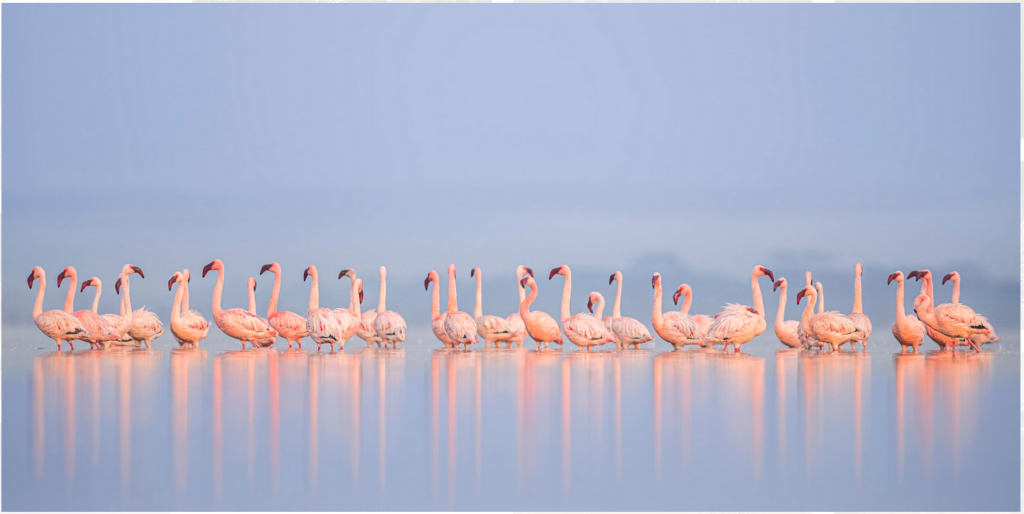
The birdlife across Africa is incredibly rich, and whilst many will go on safari the first time to see the iconic mammal species, they are often entranced by the birds. Many are far more recognisable than the seemingly endless ‘LBJs’ (Little Brown Jobs) that we have in the UK, making bird spotting instantly more rewarding for even the most amateur spotter. Of the hundreds of avian species across Africa a few stand out – either for their incredible colours, their character, or calls. Here are just a few of our highlights.
Weavers
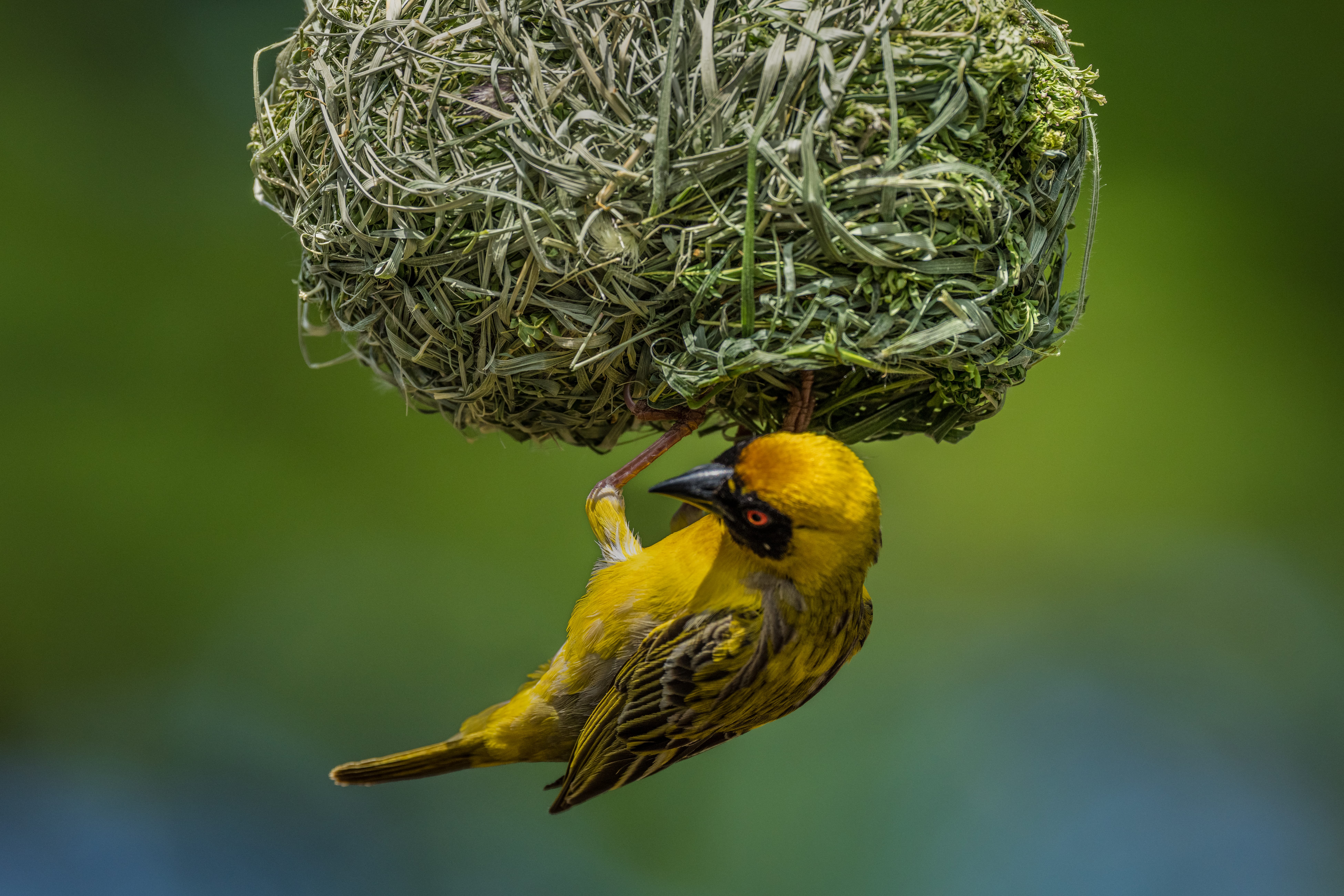
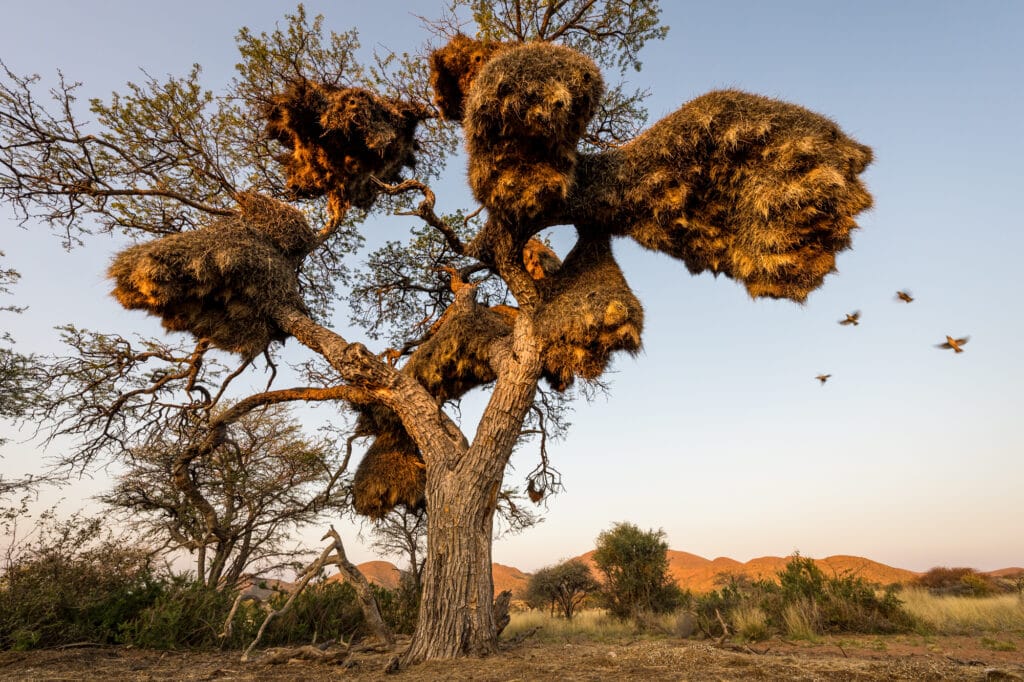
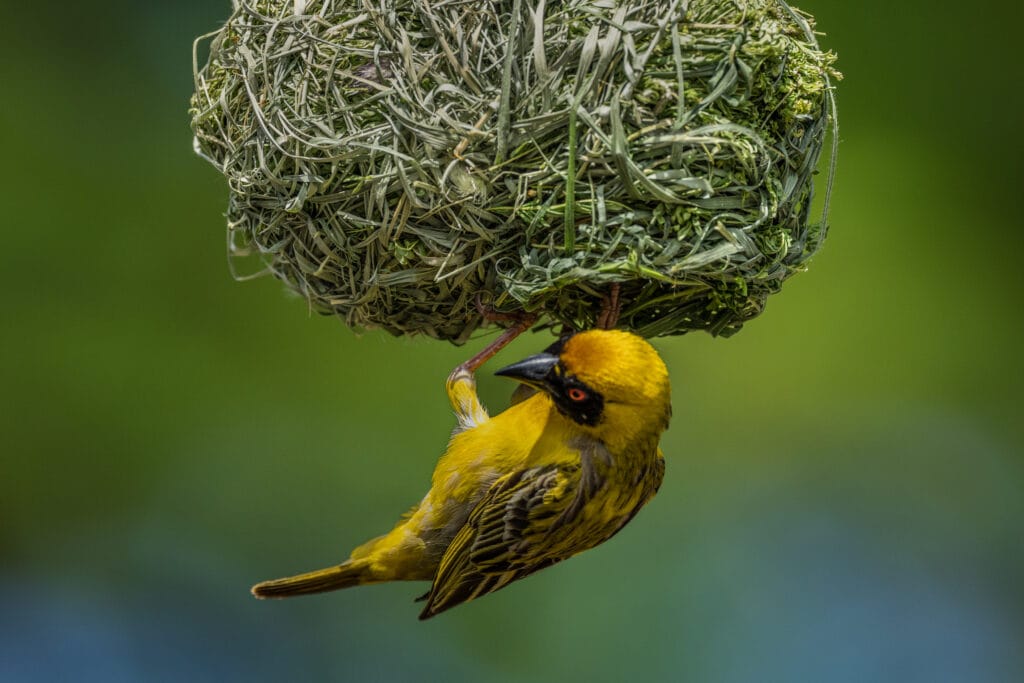
As their name suggests, weaver bird species are renowned for their delicate woven nests. Sociable weavers build large, compartment nests which house many individuals. The village weaver and southern masked weaver build incredibly intricate hanging nests which look like flasks. They are prevalent throughout Southern and East Africa and always make for an interesting talking point.
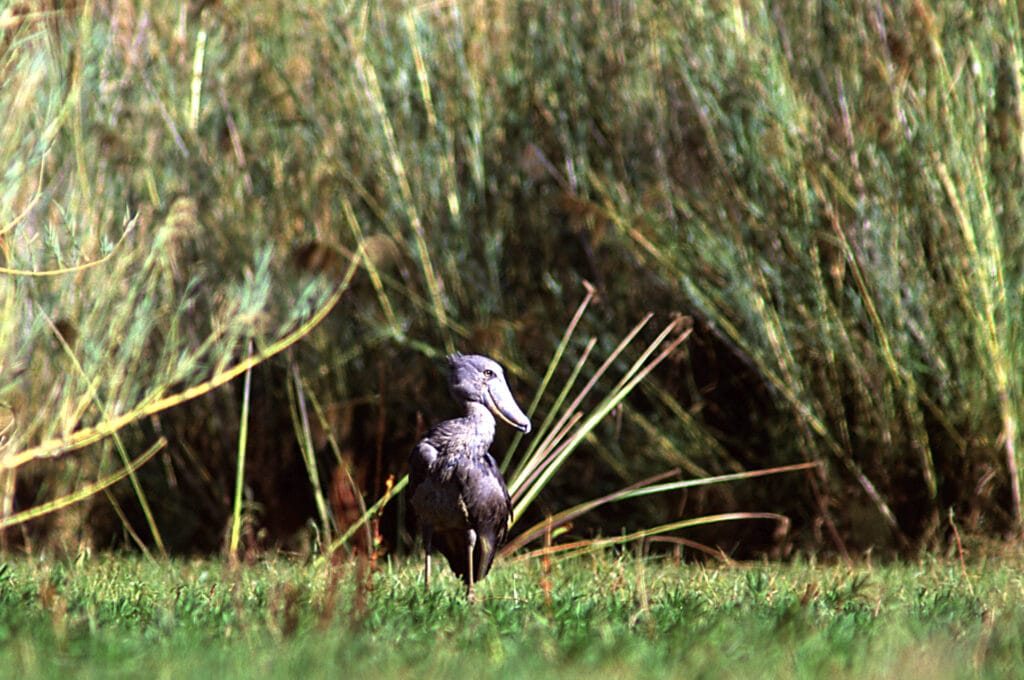
Shoebill
This unusual looking bird, a favourite of many, is found in only a handful of locations, most notably the Bangweulu Wetlands in Zambia, and Murchison Falls National Park in Uganda. Standing around 1.4m tall, it’s large, pre-historic looking beak is responsible for its nickname, the ‘dinosaur bird’.
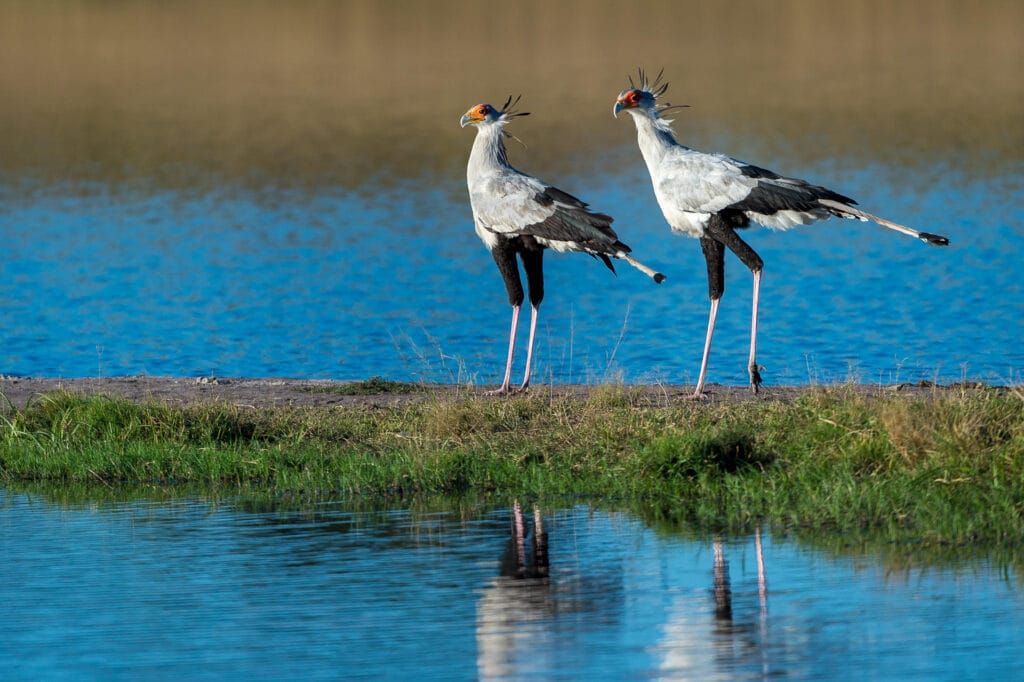
Secretary bird
Easily recognisable as they stalk across the open plains, Secretary birds are renowned for their snake-hunting abilities. As I have a phobia of snakes they are a firm favourite! The unusual name comes from the long quill like feathers that reminded Europeans of an office clerk in the 1800s, with a pen tucked behind their ear.
Red-crested Korhaan
Often referred to as the ‘suicide bird’, the extraordinary courtship involves males flying high and then diving towards the ground at high speeds to impress their mate. The female chooses the male who has come closest to the ground without injury.
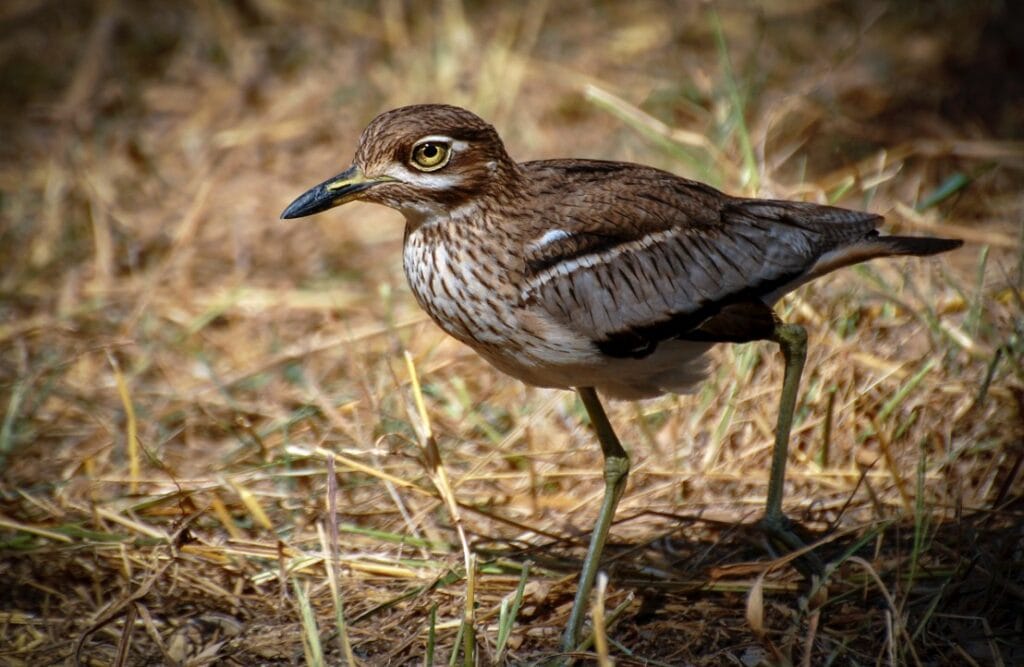
Water Thick Knee
Across the world birds are given nicknames based on their call. One of my favourites is the ‘flat battery bird’, which literally sounds like a car trying to start – and slowly fading.
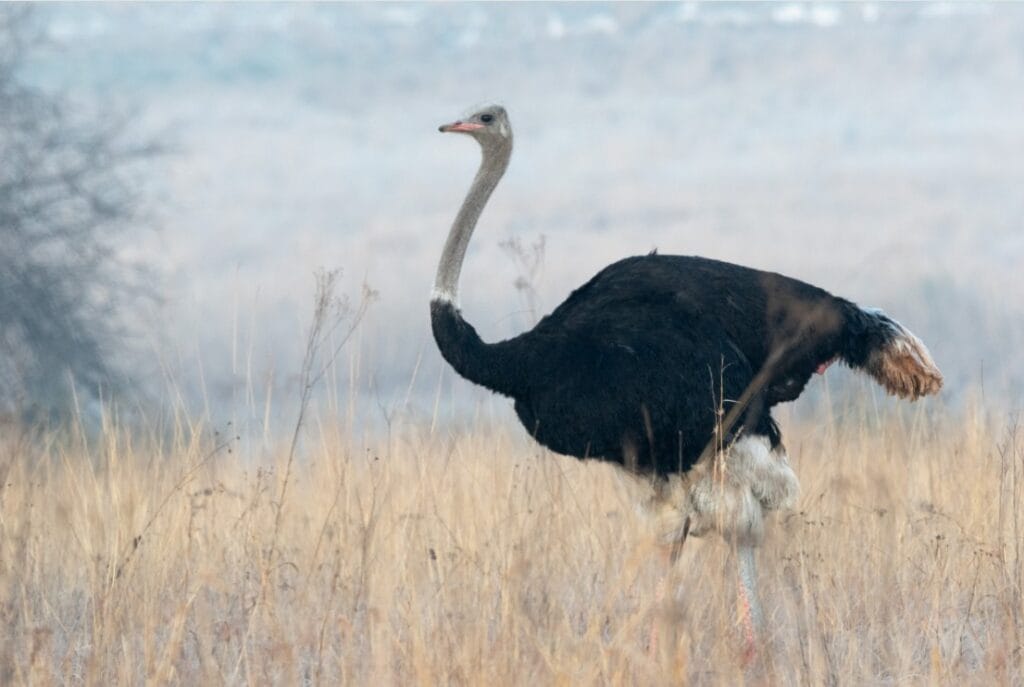
Ostrich
An ostrich is peculiar looking with its long neck and legs and wide body. Chicks look relatively normal and I always feel as though someone stretches the neck and legs to get to the adult version! Unable to fly, the ostrich is the largest and heaviest of all living birds, and renowned for speed and a fearsome kick.
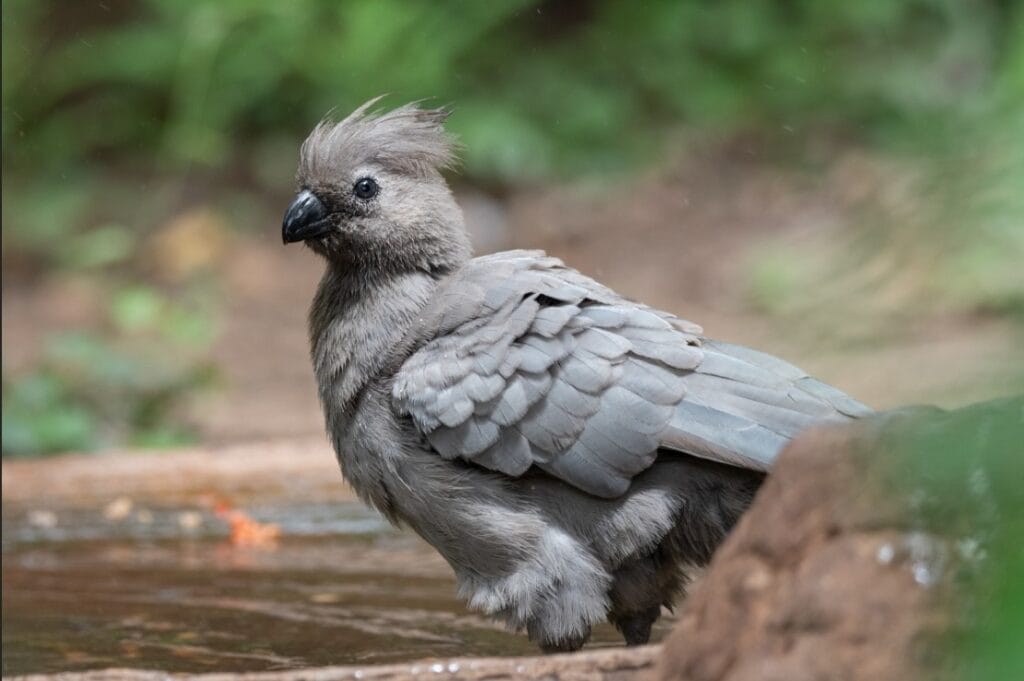
Grey go-away
Also known as the grey loerie, this bird’s distinctive call resembles someone saying ‘go-away’ in a nasal voice. Considered an alarm call it is often used by other birds and mammals as an indicator of danger.
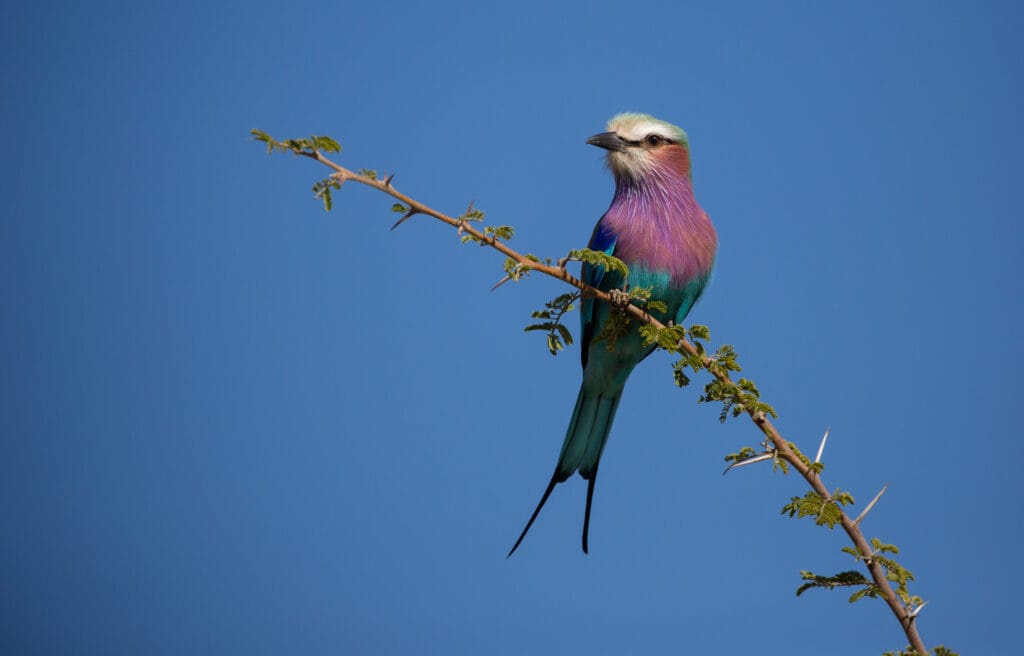
Lilac breasted roller
Some birds are just beautiful, with exquisitely colourful plumages. The lilac breasted roller is one such, with feathers in startling shades of blue, turquoise and reddish brown. Easily recognisable and seen all over Africa, it’s a great one to tick off the list.
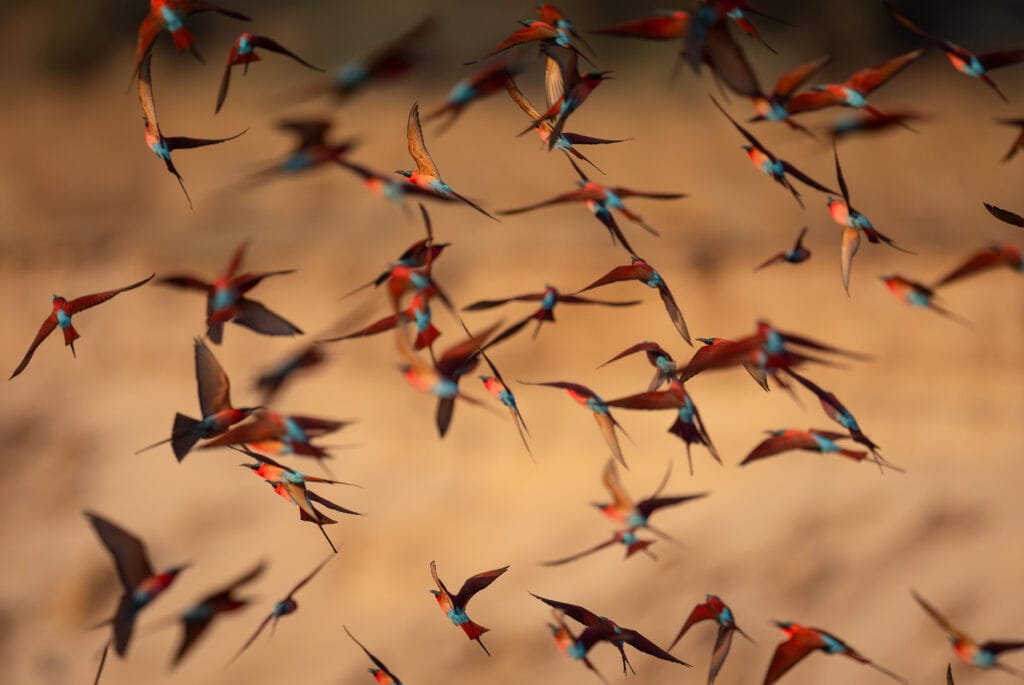
Carmine bee-eaters
Another whose vibrant plumage lights up the African skies. An inter- Africa migrant, these birds nest en-masse in riverbanks turning the air crimson when they take to the wing.
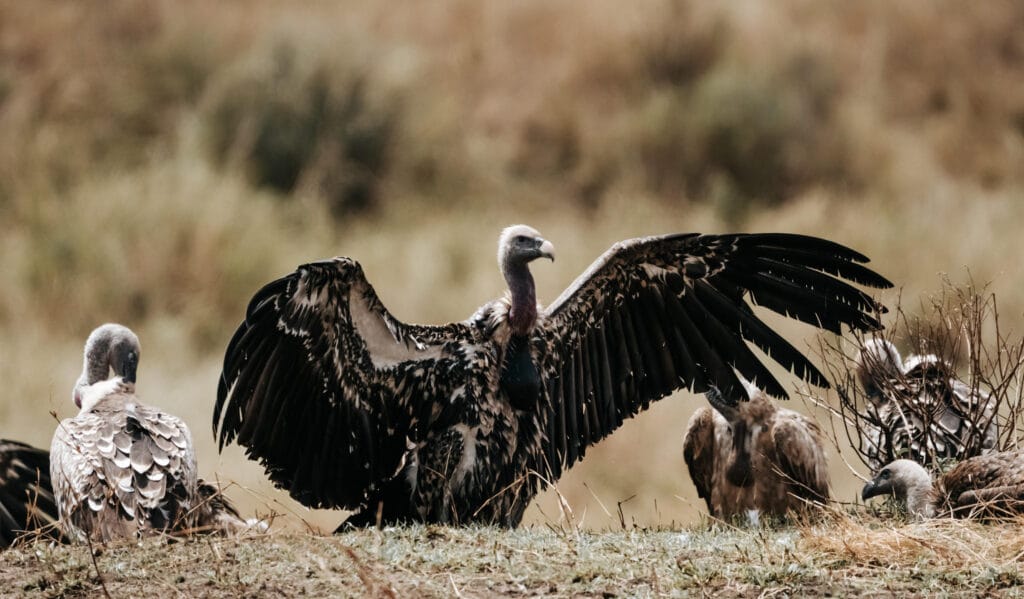
Vultures
Often feared as bad omens due to their gathering around dying and dead animals, vultures offer a vital service and keep the bush disease free. Eating the carcasses, and with different vulture species specialising in different aspects of this, they ensure meat is not left to rot.
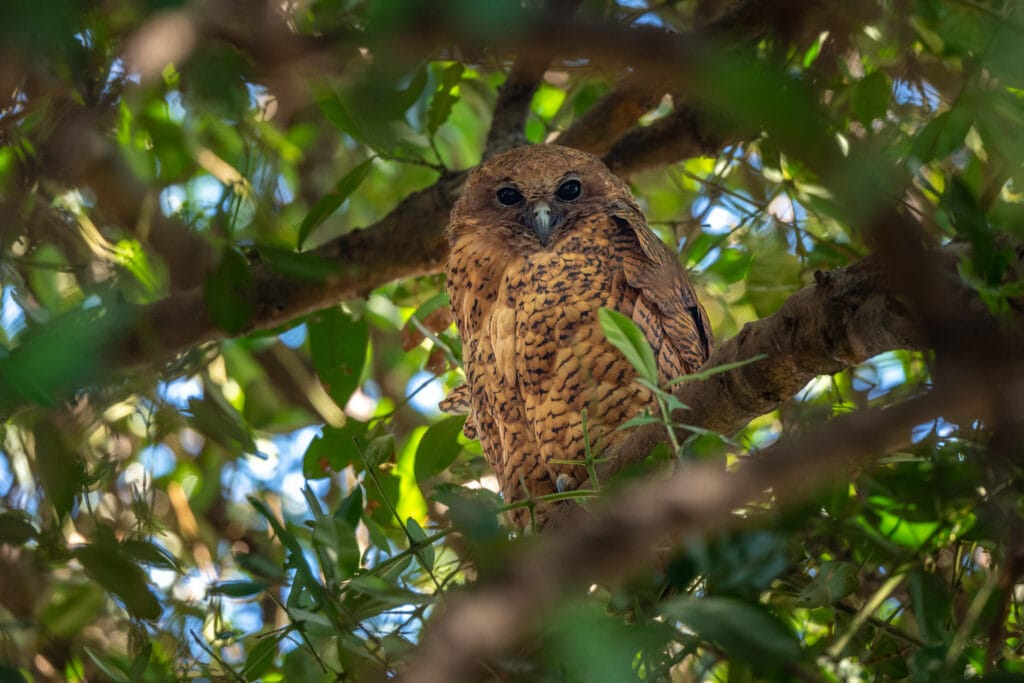
Pels Fishing Owl
This magnificent, hard-to-spot, owl is a true ‘lifer’ for birding enthusiasts. With a distinctive deep orange – red plumage and living near rivers and lakes, it’s shy nature makes spotting one a safari highlight.
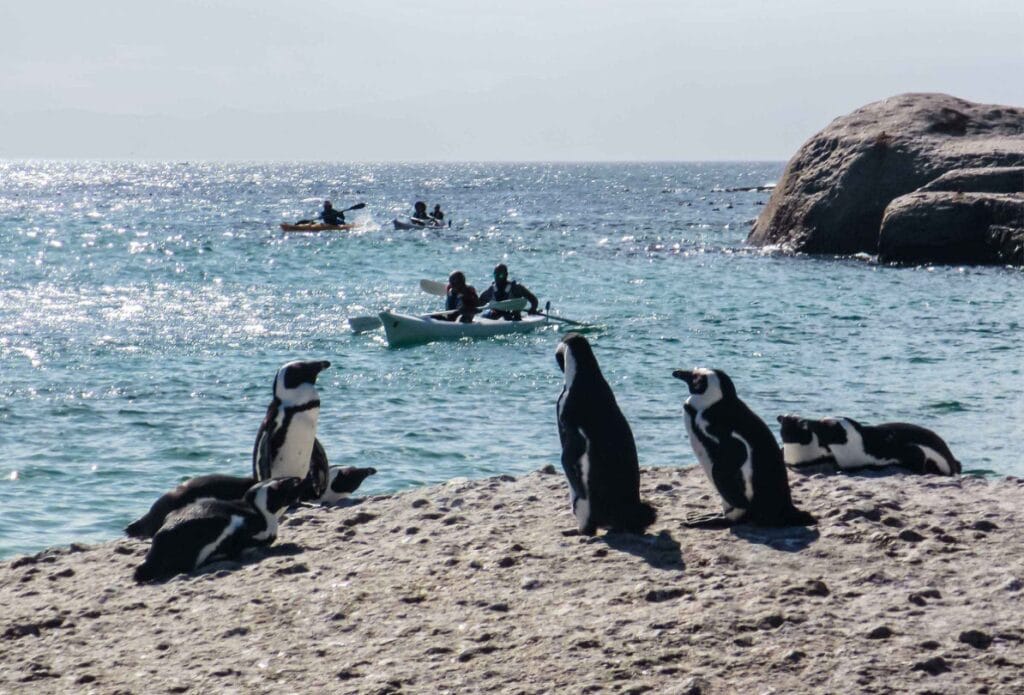
Penguins
Most people don’t go to Africa to see penguins, but these endearing birds are found around South Africa’s Cape coast. The African, or Cape, penguin is confined to southern African waters and they can be easily spotted on a visit to Cape Town.
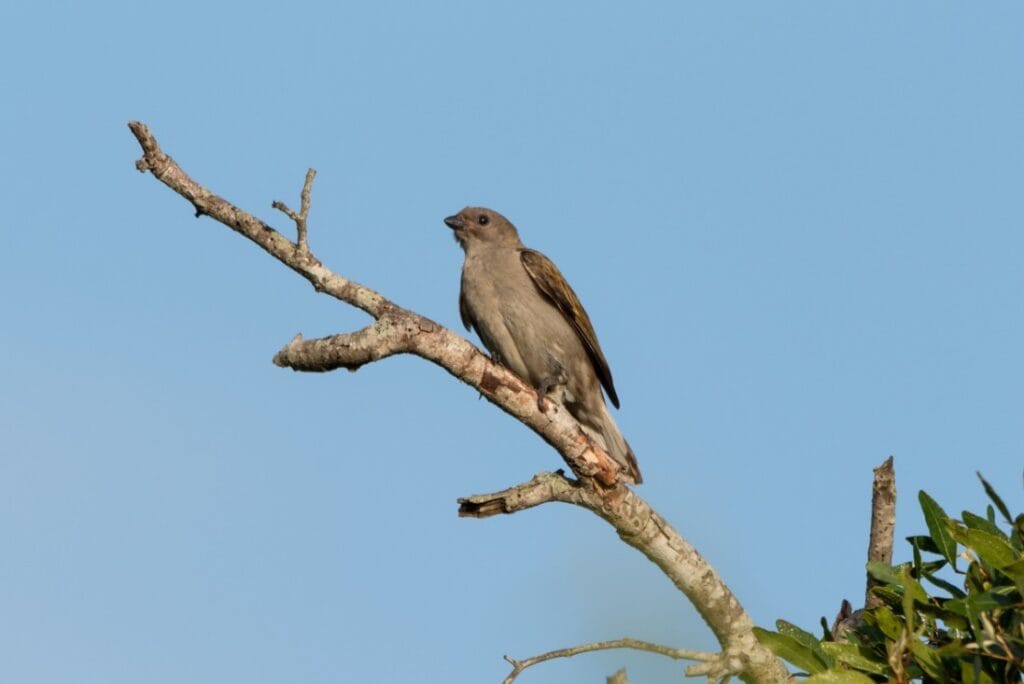
The African Honeyguide
Although not necessarily striking in appearance this wonderful bird has developed a mutual relationship with humans. On offering a distinctive chattering call, those that follow it will be led to wild honey. It does this in exchange for some of the beeswax and larvae, which it would otherwise be unable to access.
This short summary barely touches the birds you might encounter while on safari. Many who claim little interest in birding are surprised by the draw of sitting and enjoying the avian life. While seeing key wildlife species is often the primary focus of a safari, birdwatching is endlessly fascinating – and never finished due to the sheer number of bird species that exist.
If you would like to plan a holiday to see some of the birdlife of this rich continent, or for any other holiday to Africa or the Indian Ocean, please do get in touch with Lucinda who would be delighted to help.