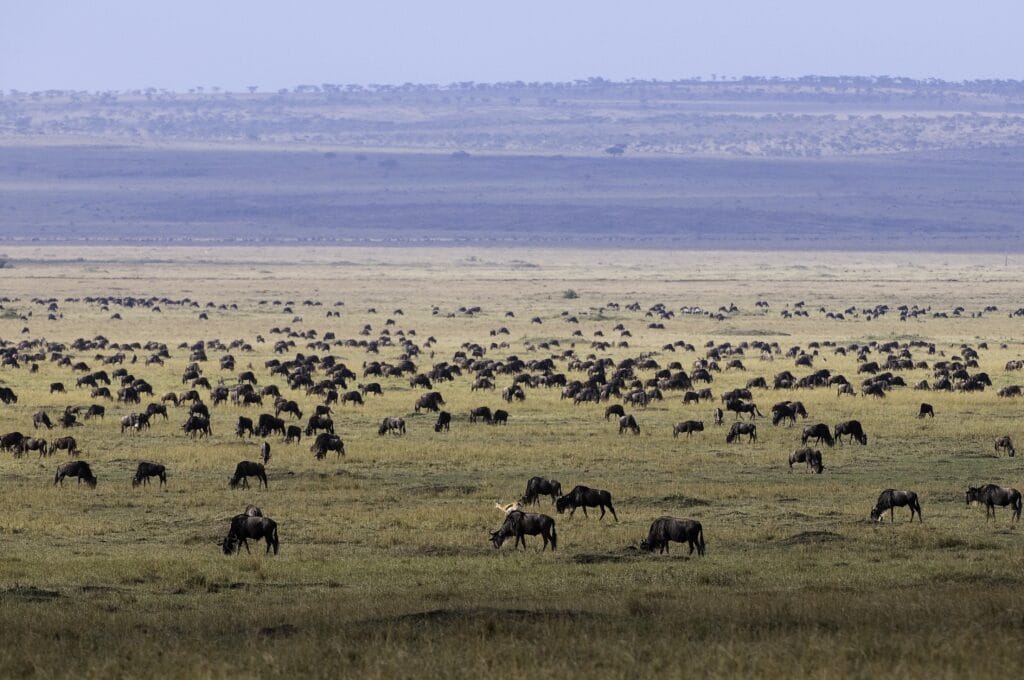
Animals migrations are always a source of wonder and often produce some of the most memorable sightings from a trip. These animals are driven to migrate by survival instincts with the promise of food, water and breeding grounds. Africa is a continent which is famed for it’s vast wilderness and incredible wildlife, some of whom undertake these incredible journeys, and not all of them as known about as they perhaps deserve.
From the famous Great migration of wildebeest in the Serengeti and Masai Mara, to the bat migration in Zambia there are wildlife movements across the continent and we look at five of the most iconic.
1. The Great Migration: Kenya & Tanzania
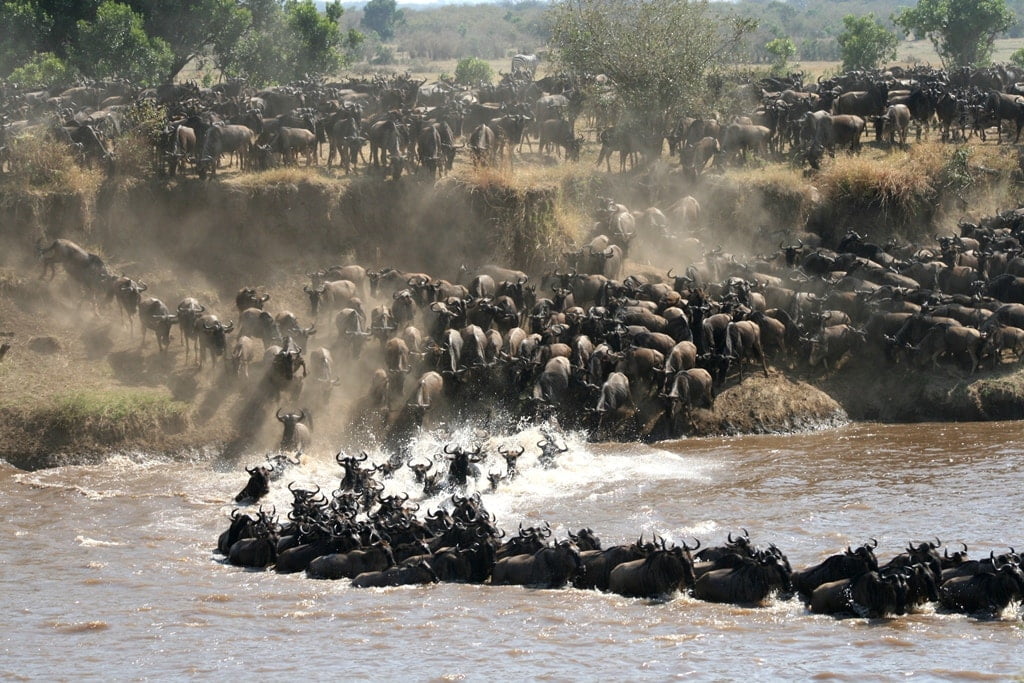
Perhaps the most famous of all the animal migrations in Africa is the so-called Great Migration. This extraordinary event involves over 1.5 million wildebeest, 200,000 zebras, and thousands of antelope as they traverse the Serengeti in Tanzania and the Masai Mara in Kenya. These vast herds are constantly on the move, following the rains, with herds crossing vast grasslands in search of fresh grazing.
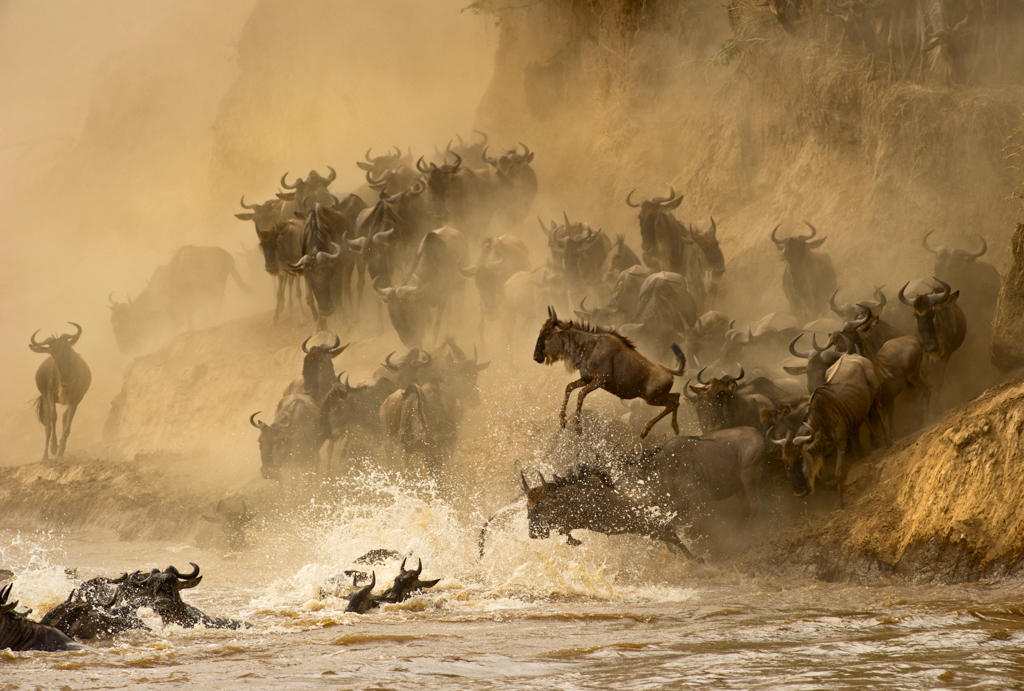
There are two key times to witness this extraordinary movement of animals and one of the most dramatic is the perilous river crossings, particularly at the Mara River, where the animals must evade hungry crocodiles and fierce currents. Witnessing this spectacle is a bucket-list experience for many safari enthusiasts, but not for the feint-hearted. The noise, smells and sights all combine to get your adrenalin flowing. During this time it is possible to see the herds in Kenya or Tanzania.
The other time of year is also exhilarating to witness; the calving season on the nutritiously rich short grass plains of the Southern Serengeti in Tanzania. Most young are born within a matter of weeks of each other, which in turns attracts many predators.
- Best times to visit:
- June to August: Grassy plains of the western Serengeti and dramatic river crossings.
- September to October: Masai Mara for herds grazing before their return to Tanzania.
- December to March: Southern plains of the Serengeti for the calving season.
2. Bat Migration: Kasanka National Park, Zambia
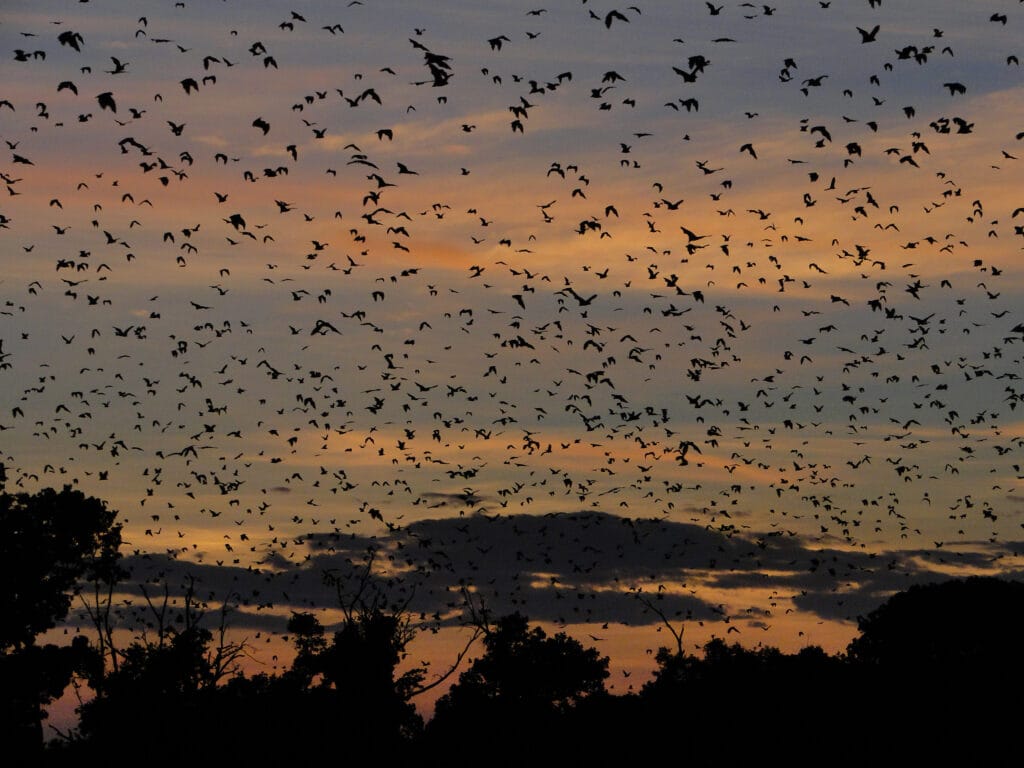
One of the largest mammal migrations on earth by number, every November, an estimated 10 million straw-colored fruit bats descend on Kasanka National Park in Zambia. These bats fly in from across Central Africa to feast on the ripened fruit trees of the park’s swamp forests.
As dawn breaks, the bats return to roost, forming dense clusters in the trees. At dusk, they take flight again, filling the skies in mesmerizing swirls. This natural phenomenon is not just a spectacle of sight but also a sound experience, as millions of wings flap and squeak through the forest.
- Best time to visit: November to early December.
3. Zebra Migration: Botswana
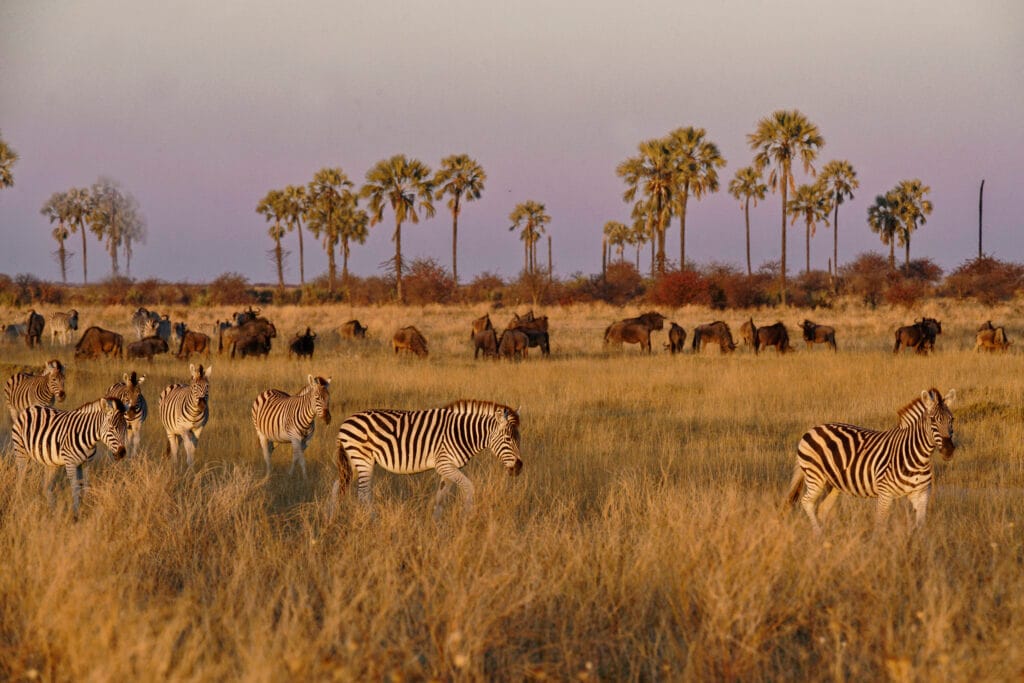
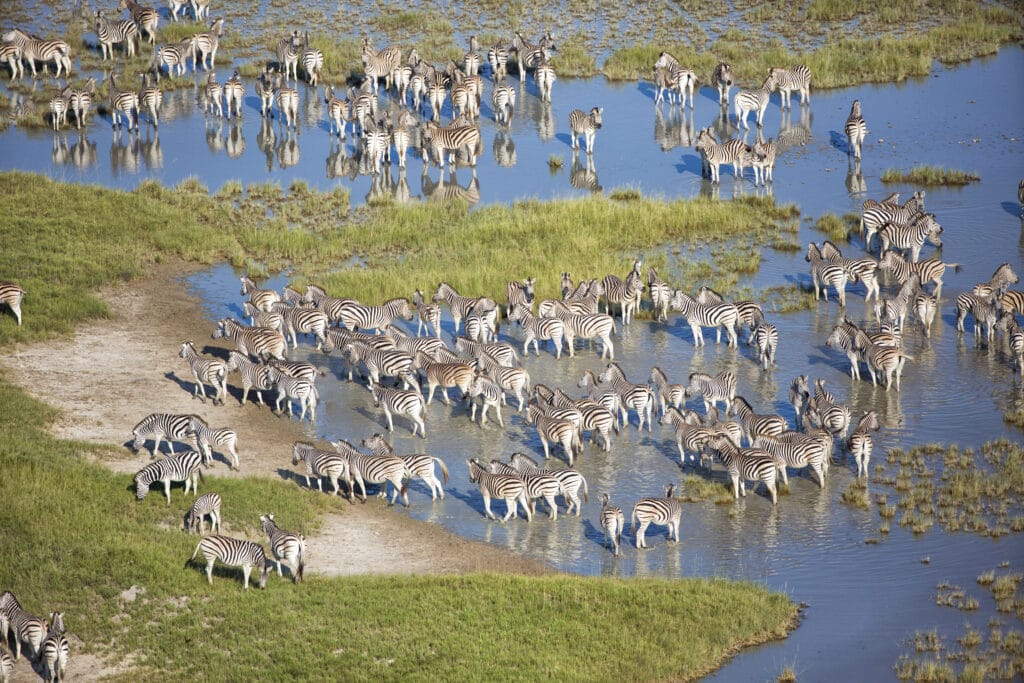
The zebra migration in Botswana is a lesser-known gem but no less remarkable. Each year, thousands of zebras journey between the Chobe River floodplains and the Makgadikgadi Salt Pans—a round trip of over 300 miles. This migration is one of Africa’s longest and follows ancient pathways that lead zebras to the nutrient-rich grasses of the pans during the rainy season.
The Makgadikgadi transforms during the wet months into a lush, green haven teeming with wildlife. Alongside the zebras, predators like lions and wild dogs follow, creating thrilling wildlife viewing opportunities. Alongside the migratory animals, the desert-adapted species like meerkats and brown hyena, which make this their home throughout the year, can also be seen.
- Best time to visit:
- November to March: During the rains, the pans come alive with greenery, zebras, and their predators.
4. Wildebeest Migration: Liuwa Plain National Park, Zambia
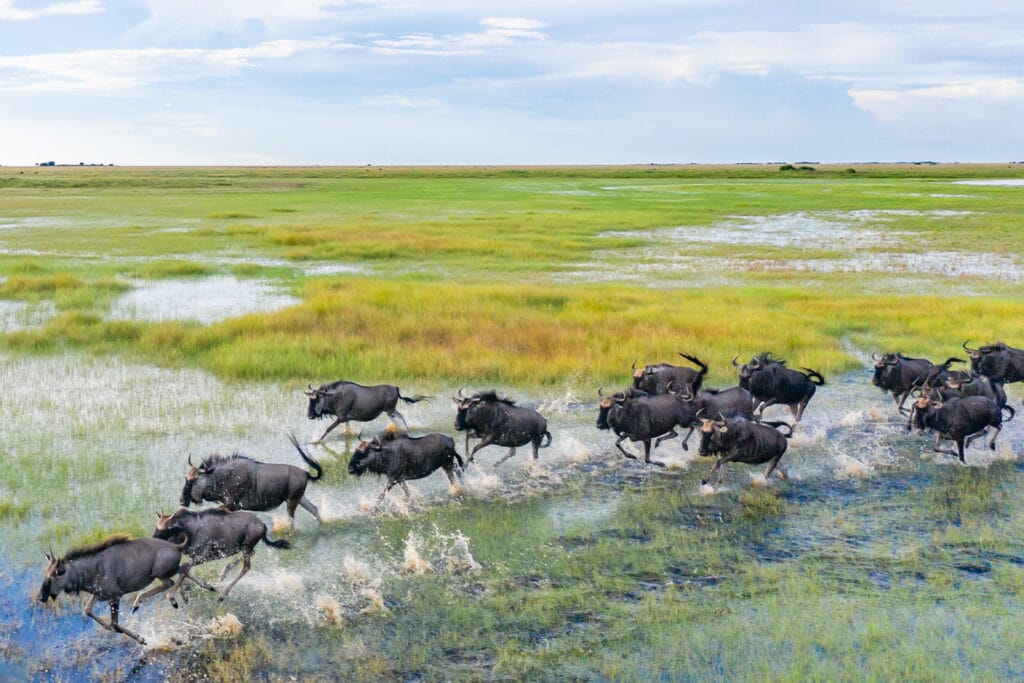
The vast open plains of Liuwa National Park in western Zambia host the second-largest wildebeest migration in Africa. Though not as famous as that of the Serengeti / Masai Mara, this migration is a quieter, more intimate experience. As the Zambezi floods from the north at the start of the rains, the blue wildebeest, around 40,000 – 50,000 of them, move south to the higher ground. They are followed by zebras and predators such as lions, hyenas, and cheetahs.
Unusually the hyena is the apex predator on Liuwa Plains and it is not uncommon to see clans of 50 individuals hunting the wildebeest, and other prey species. Overall this remarkable corner of Zambia offers incredible opportunities to witness the herds of wildebeest against the backdrop of Zambia’s remote, untouched wilderness. The migration here is marked by dramatic skies and stunning sunsets as the rains rejuvenate the plains.
- Best time to visit:
- October to December: As the rains begin, herds arrive on the plains to graze on the fresh grasses.
- April to June: with the park drying out after the rains it becomes more accessible. Herds are still on the plains before they migrate north again.
The Sardine Run: South Africa
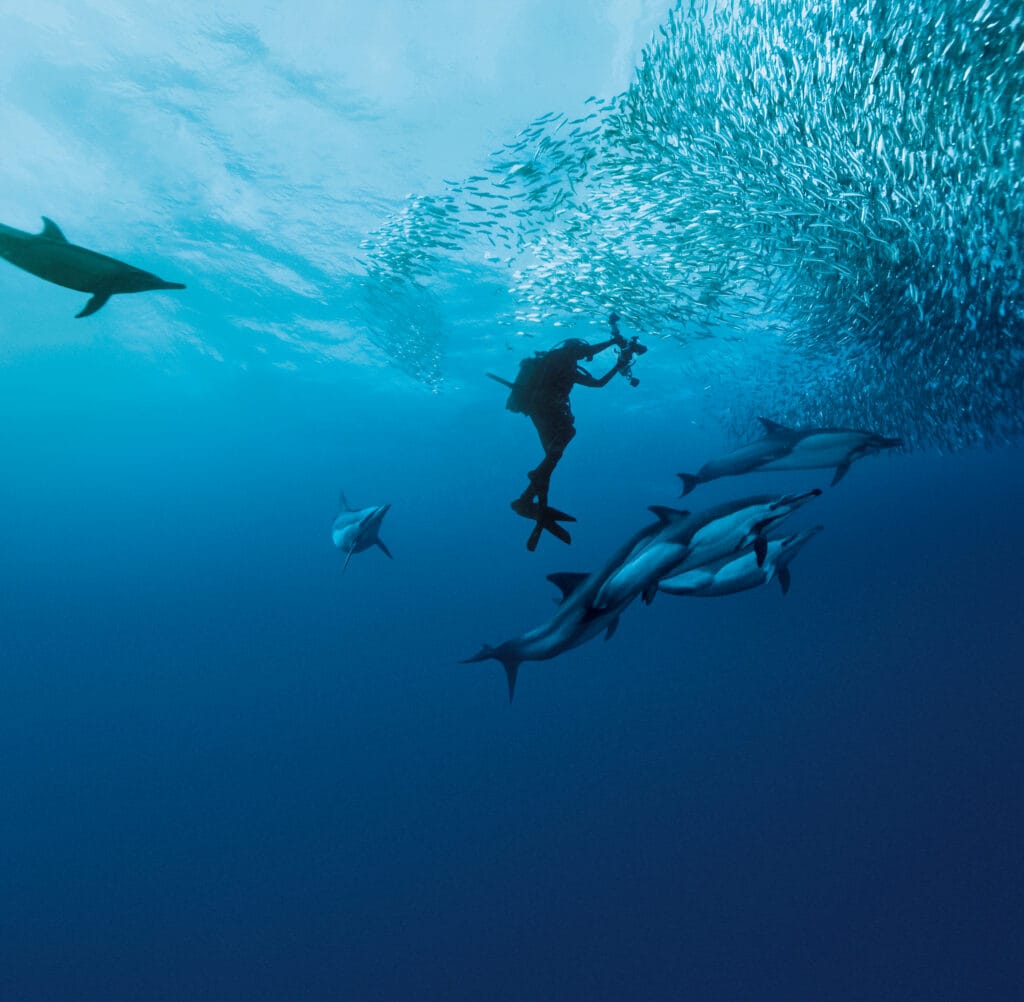
The Sardine Run is one of the ocean’s greatest migrations, often referred to as the “Greatest Shoal on Earth.” This occurs when a current of cold water heads north from the Agulhas Bank up to Mozambique. Usually occurring between May and July, billions of sardines travel up South Africa’s east coast and this massive movement of fish creates a feeding frenzy for marine predators, including dolphins, sharks, whales, and seabirds, as they join forces to hunt the shoals in a spectacular display of nature’s power.
Divers and snorkellers have the rare opportunity to witness this incredible underwater event, while boat-based excursions allow others to marvel at the surface chaos of swirling fish and breaching predators. The Sardine Run is not only a bucket-list experience for marine enthusiasts but also a critical ecological event that supports the survival of countless species in South Africa’s marine ecosystem.
- Best time to visit:
- May and July: The sardines migrate north along the east coast, from the colder waters of the Cape towards the subtropical waters of KwaZulu-Natal. The exact timing can vary slightly depending on ocean temperatures and currents, but June is often considered the peak of the spectacle.
Why Migrations Matter
Animal migrations in Africa are not just natural spectacles but also vital ecological processes. They ensure the renewal of grazing lands, provide prey for predators, and maintain the delicate balance of ecosystems.
Tips for Experiencing African Migrations
- Plan ahead: These migrations often coincide with peak safari seasons, so early booking is essential.
- Travel with experts: Guides and operators can enhance your experience with their deep knowledge.
- Pack appropriately: Comfortable clothing, good binoculars, and a quality camera are must-haves.
- Be patient: Animals haven’t read the rule book!
Whether it’s the thunderous hooves of the Great Migration, the dazzling skies of Kasanka’s bats, or the serene journeys of zebras across Botswana, Africa’s migrations are a testament to the beauty and power of the natural world. Witnessing these events is more than just a safari—it’s an unforgettable journey into the heart of life’s cycles.
If you would like to chat about planning a holiday to see one of Africa’s iconic animal migrations, or for any other holiday to Africa or the Indian Ocean, please do get in touch with Lucinda and she would be delighted to help.