Planning your first safari is extraordinarily exciting, but where and how to start can, initially, feel daunting. To make your first trip seamless, both in the planning stages and on the trip itself, it is important that you choose the country and combination that is right for you. Go onto any safari website and everyone will have an opinion, recommendations and suggestions. All of which can be helpful but can lead to the feeling of being overwhelmed – why is one person suggesting one thing whilst another is saying the opposite? Who is right? That is where it helps to use a reputable tour operator but also to consider a few key things.
We have put together a handy guide of what to consider and how to plan your first holiday to this amazing part of the world.

- Is there a time of year you would prefer to travel , or is there a particular country you would like to visit?
Across Africa there is somewhere wonderful to visit throughout the year. Different countries might be better at different times of the year, and therefore knowing when you would like to travel, or where you would like to visit, is a good – though not essential – start in the planning. - Are there any activities you would like to include?
The traditional activity on a safari is a game drive, where you are able to get close to the larger wildlife in a vehicle. However, this is by no means the only way to appreciate the wildlife, with walking, horse riding, boating, canoeing, cycling, helicopter rides and hot air balloon flights just some of the activities on offer across the continent. It may not be possible to do all of them on one trip but it is worth considering if you would be disappointed not to be able to do something.

- What style of accommodation would you like?
Falling asleep listening to Africa is magical, and particularly achieved under canvas. Are you comfortable under canvas or would you prefer a camp with solid walls?
There is then the level of luxury to consider – and what luxury means to you. In most properties across the world, luxury is measured in the facilities offered and level of service. On safari, the level of service and quality of guiding are perhaps more important than the facilities in camp. Is the camp in the right place with the quality of guiding provided to offer you the best experience, even if the camp doesn’t have some of the facilities (swimming pool, gym, sauna etc) that would traditionally be taken into account when looking at luxury levels.

- How long would you like to be away for?
In our mind a long weekend in Africa is always a winner, but only a handful of countries lend themselves to this due to connections and travel time. More often people would like to be away for longer, where connecting flights are not onerous to the total time away. - Would you like to combine your safari with anything else?
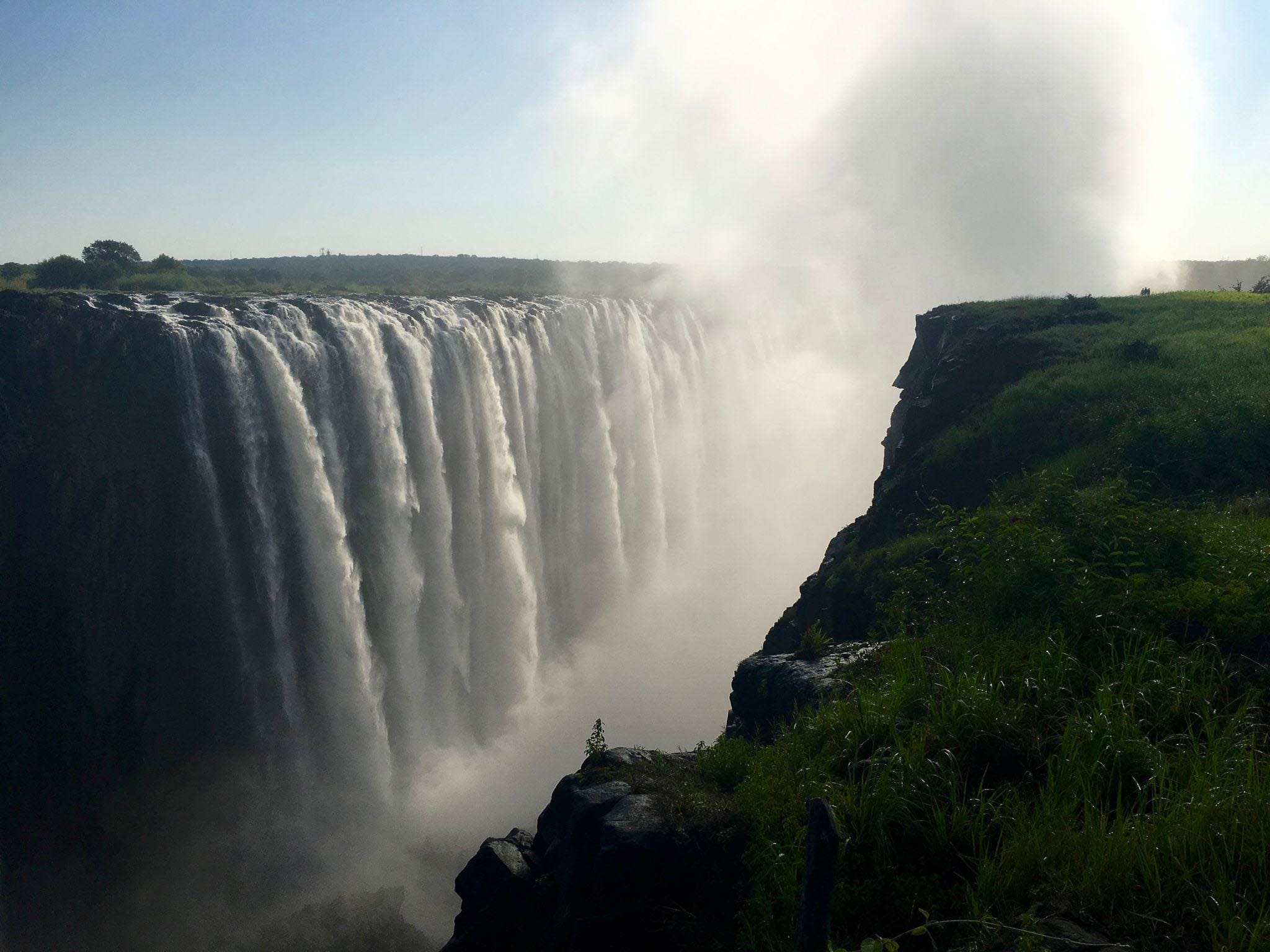
A safari is, and should be, exhilarating, but it can also be tiring. You tend to be up early and there is a fair amount of excitement about what you might see each day. Combining a safari with time on the beach – the Indian Ocean coast and islands are as dreamy and idyllic as they sound – in Victoria Falls or perhaps Cape Town and the Winelands, is definitely something to consider.
- Are you looking for a malaria free holiday?
For families with young children this may be a consideration. There are malaria prophylactics for children based on their weight, though not all are great at taking them each day. It is worth thinking about at this stage than once everything is booked. - Do you have a budget in mind for this trip.
This can be a critical factor and worth thinking about at the start of your planning process. A safari is never cheap, but the difference between a life-changing holiday and a good holiday may not be as large as you think. Safari costs vary hugely depending on the country, time of year, and any applicable offers at the time of travel. If you are planning a safari combining several areas then flights or transfers are likely to add up. As each trip is different it is difficult to give an exact amount, but as a guide a two week holiday in our summer months (high season), with a week on safari and a week on the beach is around £7,500 per person on average, excluding international flights.

Time Frame
We are always asked when you should start planning and a first safari may take a little longer to plan. A broad guideline is below;
Planning Stage
- Book accommodation. Doing this far in advance offers the best selection of properties and combinations. Many safari camps are small – some only have three tents – so book up quickly. Planning in advance is especially important for larger families and groups. We can often book trips for two years or more ahead of travel.
There is a great selection, from mobile tented camps and rustic bush lodges to high end luxury lodges with full spas. Safari holidays are very flexible but we would always recommend staying at least three nights in each camp to maximize your time on game drives and activities. If you only want to stay in one location then we would recommend four plus nights. - Book International flights. International flights are usually released for sale approximately 11 months prior to travel.

Booked to three months prior to travel
- Travel Insurance – this should be purchased at the time of booking your holiday and should include cancellation insurance.
- Vaccinations – Make sure any vaccinations required have been booked
- Passports – Ensure they are within date (many African countries will require your passport to be valid for three to six months after you return. Apply for any renewal in plenty of time.
Three months before travel:
- Most tour operators will require the balance to be paid 14 – 12 weeks prior to travel.
- Ensure you have the correct luggage – most safaris involve small light aircraft flights and there are strict rules in place. Luggage should all be soft sided (sports holdall type) and luggage weight limites need to be adhered to.
- Arrange foreign currency for tips.
- Notify banks of travel plans to avoid card blocks
- Purchase anything needed for your safari – check out our recommended packing list here.

What to expect: Daily Routine
05:30 AM – The Wake-up Call: Animals are most active at dawn. You’ll have a quick coffee and a biscuit before heading out just as the sun rises.
06:00 AM to 09:30 AM – Morning Game Drive: This is your best chance to see predators on the move or finishing up a nighttime hunt. You’ll usually stop in the bush for a mid-morning coffee break.
10:00 AM – The Feast: Return to camp for a massive, hearty breakfast or brunch.
11:00 AM to 3:30 PM – Siesta Time: The sun is high and the animals are sleeping under trees. Use this time to nap, read, sit by the pool, or edit your photos.
04:00 PM – Afternoon Tea and Game Drive: As the day cools down, the bush wakes up again.
06:00 PM – The Sundowner: A sacred safari tradition. Your guide will park in a scenic spot, set up a makeshift bar, and you’ll watch the spectacular African sunset with a drink in hand.
07:30 PM – Dinner: Return to camp for dinner.

So why use a Tour Operator?
In short, whether it is your first safari or a return to Africa, a good tour operator knows the questions to ask. They will take away the stress of booking the holiday and ensure the highest standard of quality, luxury and comfort. They will offer tailor made itineraries combining expert knowledge with your wishes – ensuring you fall in love with this extraordinary continent and want to return!
Lucinda has been planning safaris for people for over 16 years and would be delighted to help you plan your trip – whether it is your first or 50th. Please do contact her.
