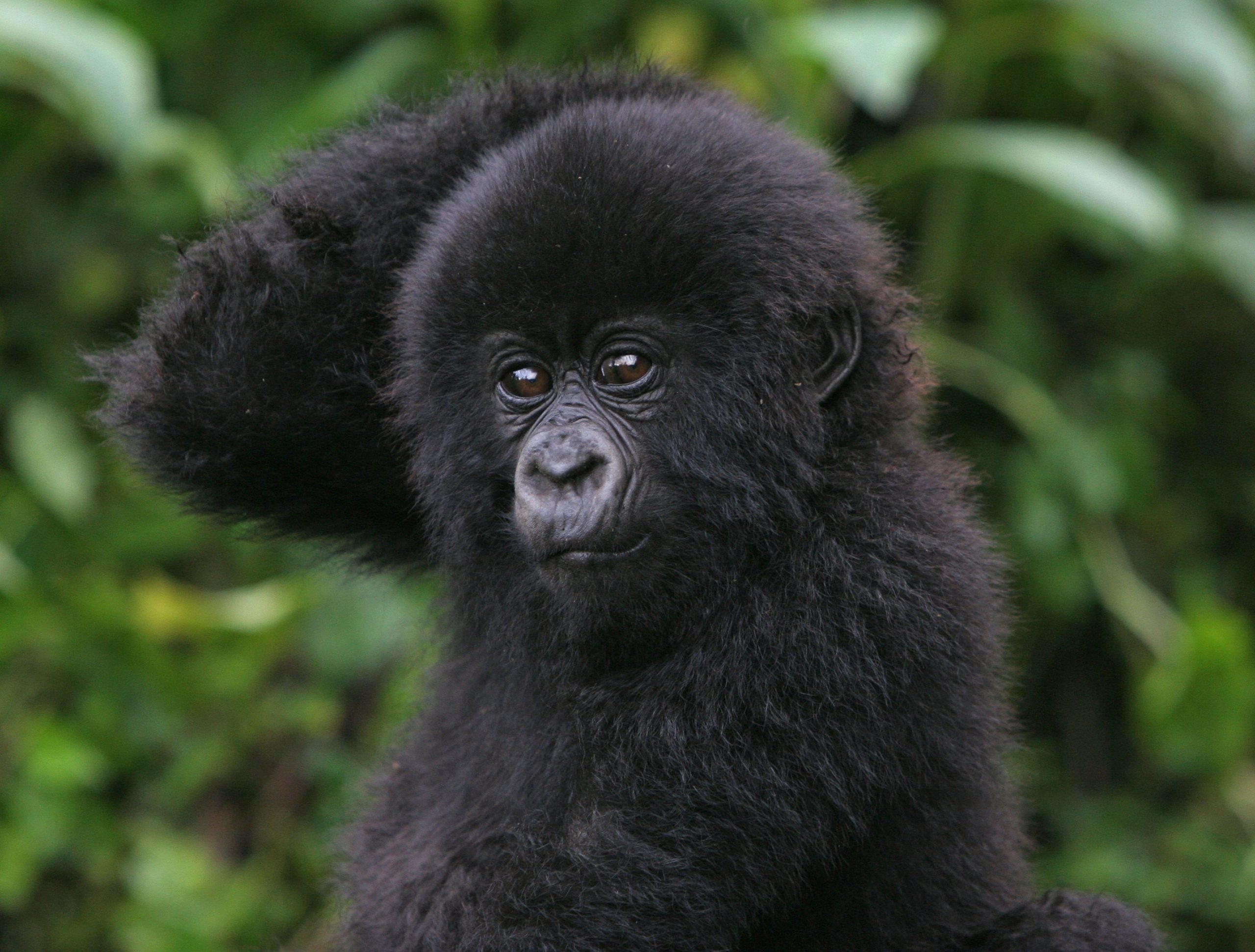
Gorilla tracking, out of all of the wildlife encounters I have enjoyed over the years, has to be one of the most remarkable. Encountering these magnificent, and endangered, animals in their natural habitat is both humbling and thrilling, with recollections of those encounters living long in the memory. Trekking at altitude through lush, dense rainforests, your efforts are rewarded with a privileged sighting of animals which are closely related to humans. Watching them play and interact gives a fascinating insight into their lives. Uganda and Rwanda are the two premier countries when it comes to mountain gorilla tracking, with each offering unique experiences, landscapes, and conservation initiatives.
When planning this dream encounter there is a great deal to consider and we have looked at some of the key things to think about before booking your trip of a lifetime.
Uganda or Rwanda? The key differences
Uganda
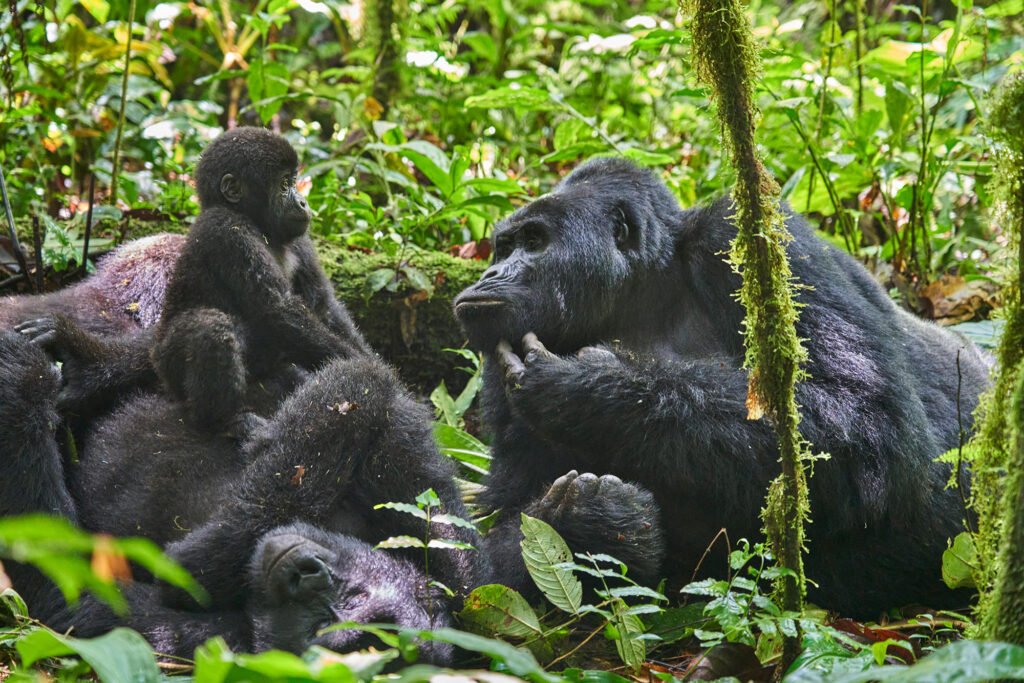
A large and beautiful country, mountain gorillas are found in two national parks, namely, Bwindi Impenetrable National Park and Mgahinga Gorilla National Park, with Bwindi being the more popular choice due to its higher number of habituated gorilla families. Gorilla tracking in Uganda is typified by dense tropical rainforests and rugged terrain. The steep and more mountainous terrain that is found here is at a lower altitude than you would be at in Rwanda, though is considered to be more physically demanding. For many, the reward feels greater when you do see the gorillas due to the additional physical exertion.
Rwanda
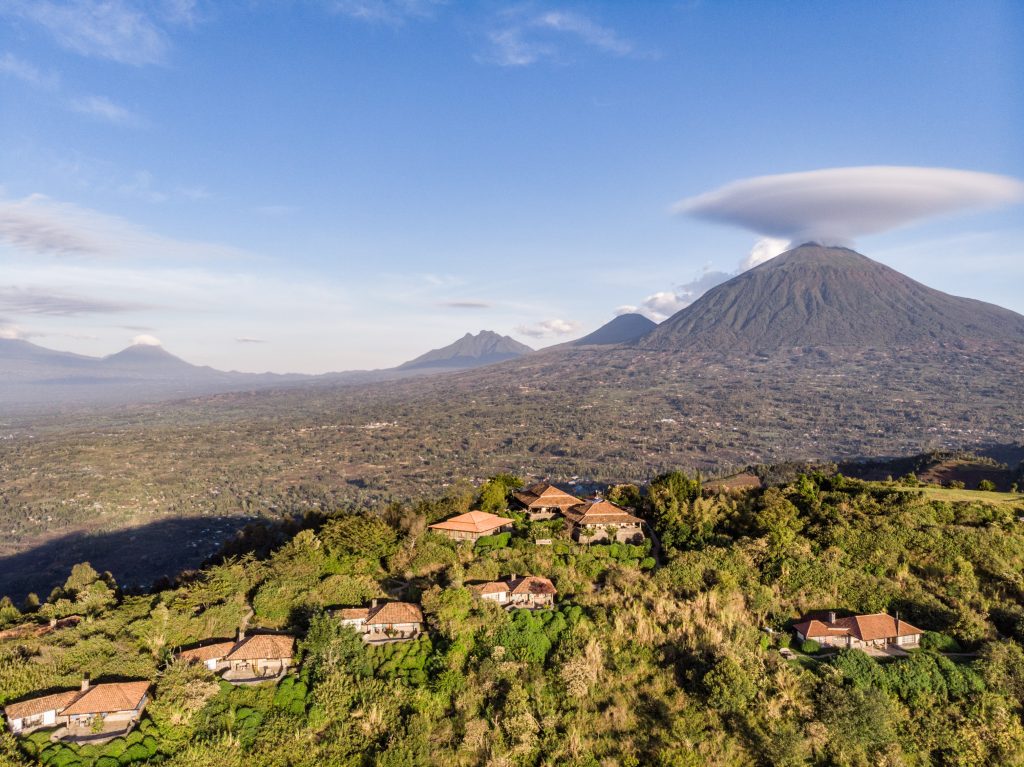
Another incredibly pretty country with gorilla tracking in Rwanda takes place in Volcanoes National Park. The terrain tends to be seen as more accessible, with bamboo forests and more open and gentler slopes typifying this region. Walks to a gorilla family, though at a higher altitude than Uganda, tend to be shorter compared to Uganda as well. With more luxury accommodation in Rwanda and a more developed infrastructure, the country has branded itself as a luxury gorilla tracking destination. If you’re looking for ease of access and a shorter trek, Rwanda might be your pick.
Gorilla Tracking Permits
Gorilla tracking permits are a vital source of income for the national parks and directly assist with the continued protection and conservation of these magnificent animals. Everyone who wishes to see the gorillas in either country must first obtain a gorilla tracking permit, which are sold on a ‘first come, first served’ basis with a limited number available each day. They not insignificantly priced either, and Uganda and Rwanda have different costs.
In each country a standard gorilla tracking permit allows you one hour with these wonderful creatures. If the gorilla family you are tracking is moving, you would move with the animals through the forest. In Rwanda the cost of a permit is $1,500 per person per track (2026), whilst in Uganda the same permit is $800 per person per track (2026).
Uganda also offers a special Gorilla Habituation Permit in Bwindi Impenetrable National Park. This permit offers up to four hours with a gorilla family and the gorilla habituation rangers, as they family become accustomed to human presence. You would also be in a smaller group than the standard permit would be offering the opportunity to get a deeper insight into the family. For this longer, and more immersive experience, the cost is $1,500 per person (as of 2026).
Best Time of Year for Gorilla Tracking
Gorilla tracking in Uganda and Rwanda is possible year-round, and given the altitude and proximity to equator, there is a chance of rain throughout the year. However, there are two distinct seasons to consider:
Dry Season: Usually considered to be the optimum time to go gorilla tracking, and there are two dry seasons, from June to September and December to March. During these periods there tends to be less rainfall, making the tracking more accessible and less physically demanding. In addition, due to the availability of food, the gorillas tend to stay at lower altitudes, making them slightly easier to reach.
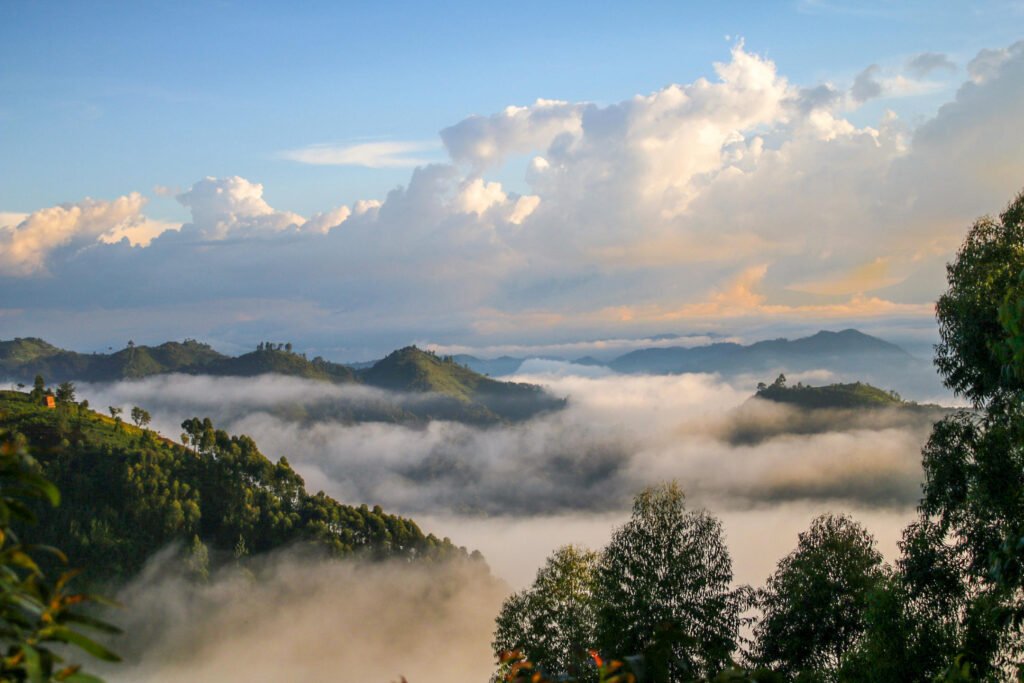
Wet Season (Low Season): The so-called rainy seasons occur from March to May and October to November. Tracking can be more challenging due to the muddy conditions and slippery trails. It is worth noting that the rain brings a lush environment, perfect for photography, and fewer tourists can mean more intimate tracking experiences.
What to Combine with Gorilla Trekking
Very often the primary reason for visiting either Rwanda or Uganda is to go Gorilla tracking, and this is very often the highlight of a trip as well. It is also well worth combining this experience with other areas in either country to make the most of your trip. i
– Murchison Falls National Park: the park gets its name from the stunning waterfall where the Victoria Nile plunges over a 45 metre cliff. In addition there is wonderful wildlife viewing to be enjoyed, including all the key African species, and it is home to the extraordinary Shoebill.
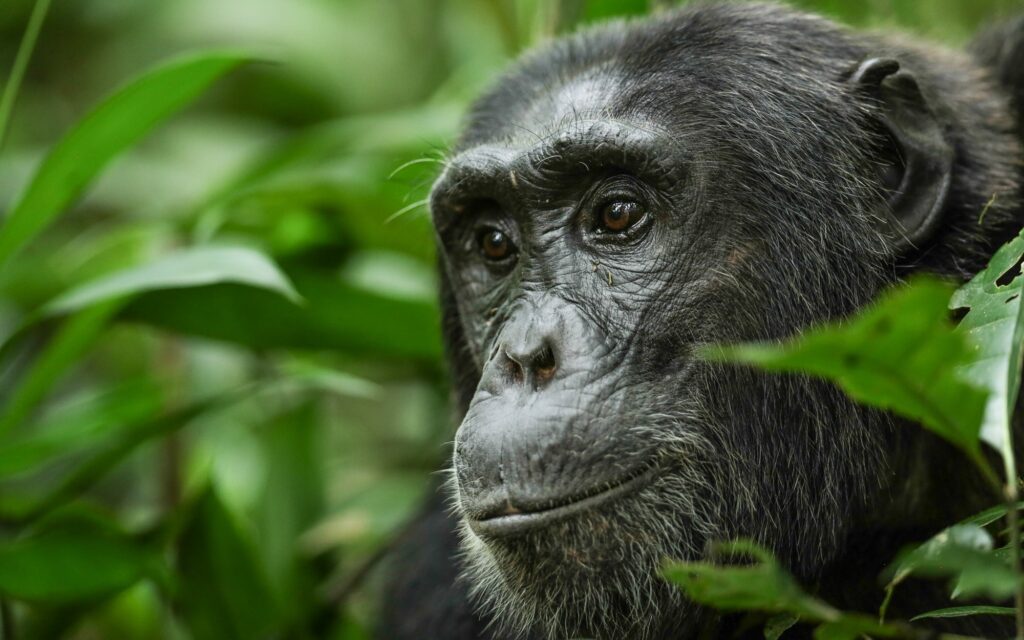
– Kibale National Park: Home to 13 different primate species, Kibale Forest is particularly known for the chimpanzee tracking which is offered here. In addition, engaging and informative forest walks, cultural encounters and stunning scenery can all be enjoyed here.
– Lake Mburo National Park: this pretty little park is home to a wide variety of African mammals, including hyena, leopard and hippo. With plentiful birdlife and diverse activities including boat cruises, game drives, nature walks and horse riding.
– Nyungwe Forest National Park: A prime destination for chimpanzee tracking in Rwanda, it is home to a total of 13 different primate species. A UNESCO World Heritage Site, this park is an important site for bird conservation with over 300 recorded species. It is also known for its tree top canopy walkway, which offers a unique view of the forest.
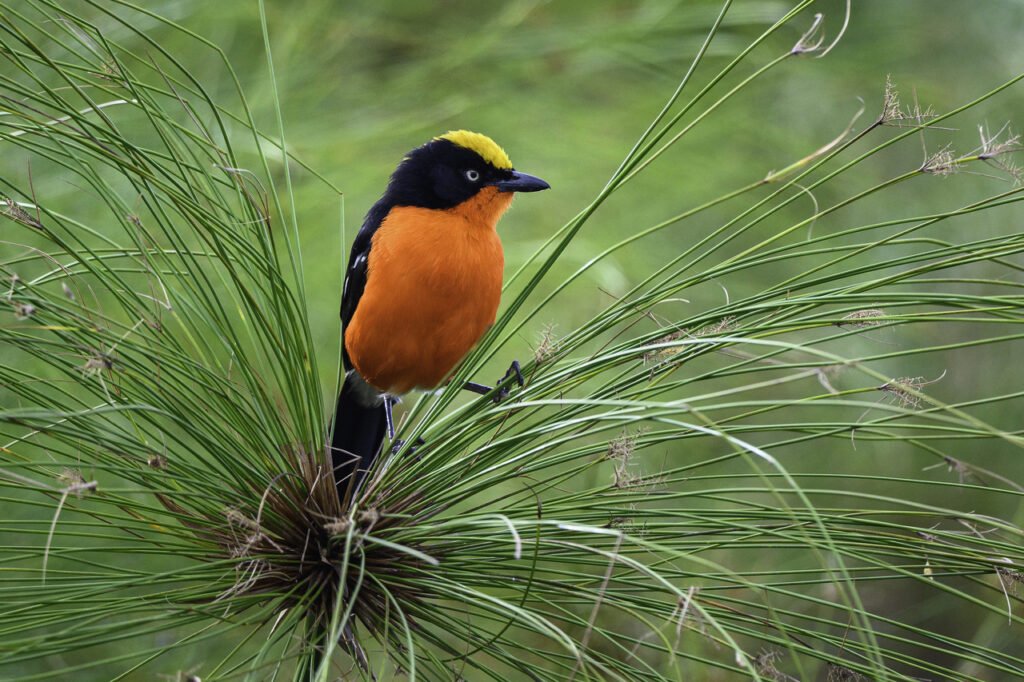
– Akagera National Park: A stunning savannah reserve, ideal for safaris to see iconic African wildlife including black rhino, lion, leopard, elephant, giraffe and much more besides. The park is also home to Lake Ihema, which offers the opportunity to take a boat safari. With great community benefits, conservation efforts and few visitors, this is a gem of a national park and well-worth including.
– Kigali: Rwanda’s vibrant capital city offers excellent cultural and historical experiences, including a visit to the Kigali Genocide Memorial, local markets, and modern art galleries. It is well-worth spending time absorbing all this fascinating city offers.
Photographing Gorillas
For wildlife photographers and amateurs alike, capturing your gorilla experience on camera, up close and in their natural habitat, is important. However, it isn’t without its challenges due to the environment they are located in and their dark fur. No flash photography is allowed and therefore setting for low-light photography are ideal.
In Uganda and Bwindi Impenetrable National Park, photographs often have a dramatic and vibrant backdrop with misty jungles and thick foliage to frame your shots.
In Rwanda, Volcanoes National Park offers stunning views of rolling hills and volcanoes, adding a unique depth to your images. With gorillas largely found in stands of bamboo, natural light may be more abundant for photographers.
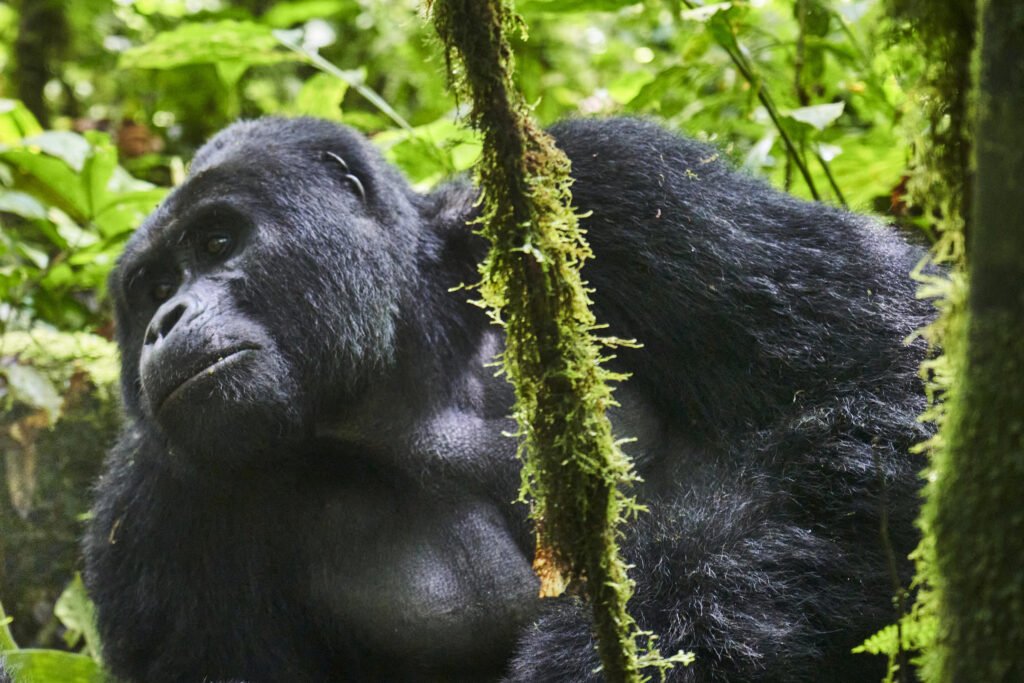
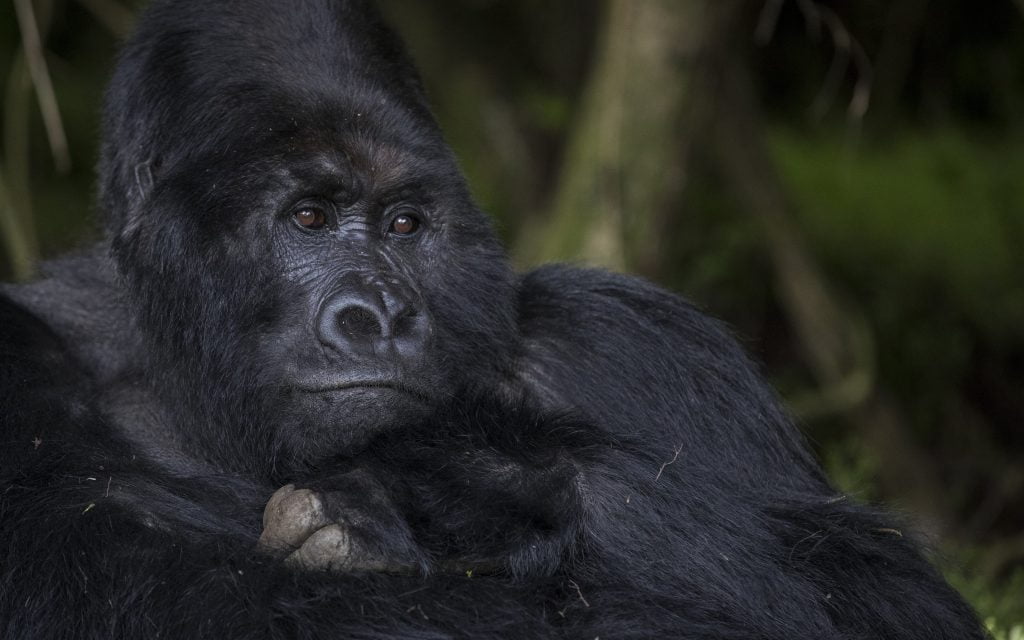
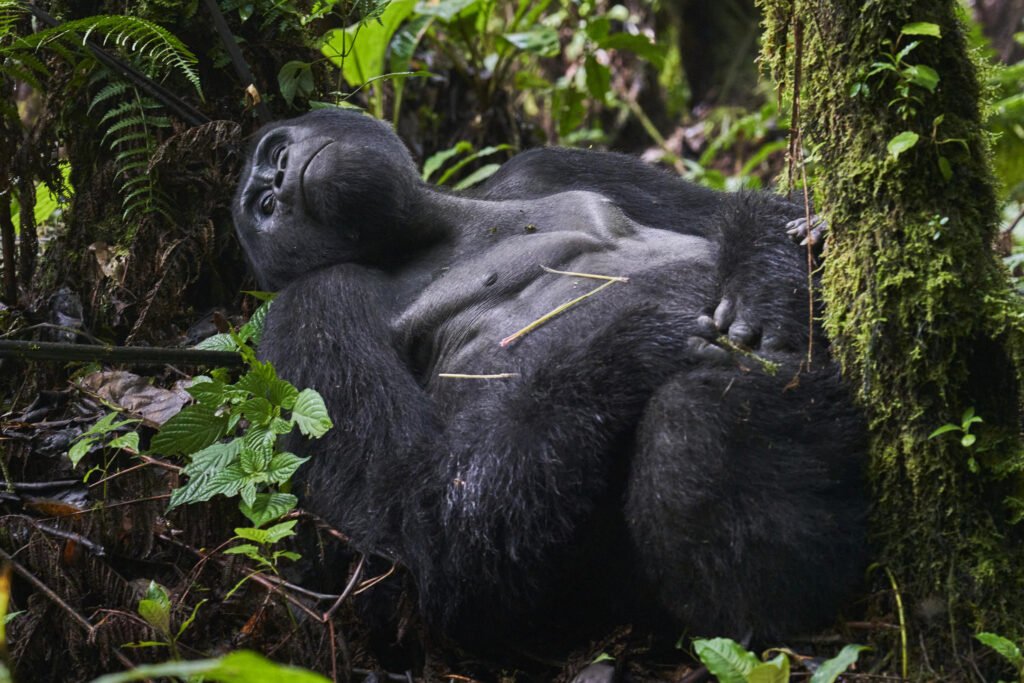
Both countries have strict guidelines to ensure minimal disturbance to the gorillas, including maintaining a 7-meter distance and avoiding flash photography. With patience and a good zoom lens, you can capture intimate moments—whether it’s a silverback’s commanding gaze or playful interactions among the younger members of the troop.
How many times should I track them?
At Ganders Travel we tend to recommend tracking the gorillas twice during your trip if you can. This offers you the opportunity to see a different family, and perhaps behaviours. In addition, the first time people see the gorillas they often spend time taking photographs and don’t really ‘see’ the animals. With a second opportunity people tend to be less worried about the photograph, having got plenty before, and spend more time observing them.
You may choose to do two tracks in the same national park, and in Uganda one of these could be a habituation track, giving you longer with them. Alternatively, it is very easy to combine both Rwanda and Uganda into the same itinerary offering you the chance to view them in both environments.
Final Thoughts
Wherever you choose to enjoy your gorilla track, it is an experience that you will always remember. The excitement of trekking through dense forests and coming face-to-face with a gorilla family is unlike anything else. While the terrain and permit costs vary between Uganda and Rwanda, both countries have dedicated themselves to protecting these majestic creatures and ensuring sustainable tourism practices. Whichever destination you choose, your contribution helps fund critical conservation efforts for these endangered species.
If you would like to chat about a trip to see the mountain gorillas, or any other holiday to Africa or the Indian Ocean, please do get in touch with Lucinda and she would be delighted to help.